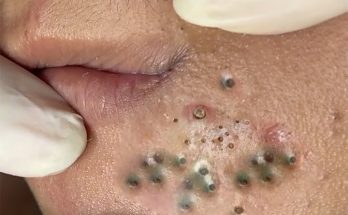
Acne is a common skin condition that affects millions of people worldwide, particularly during adolescence, though it can persist into adulthood or even begin later in life. It occurs when hair follicles become clogged with oil (sebum), dead skin cells, and sometimes bacteria. This blockage can lead to the formation of various types of lesions, including whiteheads, blackheads, papules, pustules, nodules, and cysts. Acne most commonly appears on areas of the body where sebaceous (oil) glands are most active, such as the face, chest, back, and shoulders. While it is not a life-threatening condition, acne can significantly impact a person’s self-esteem, emotional well-being, and overall quality of life. The primary causes of acne are linked to hormonal changes, especially during puberty. Hormones known as androgens increase in both boys and girls during adolescence, causing the sebaceous glands to enlarge and produce more oil. This excess oil mixes with dead skin cells, leading to clogged pores. Additionally, a type of bacteria called cutibacterium acnes (formerly known as Propionibacterium acnes) can multiply within these blocked pores, triggering inflammation and resulting in red, swollen pimples. Genetics also play an important role, as individuals with a family history of acne are more likely to experience it themselves. There are several factors that can worsen or trigger acne outbreaks. These include stress, which may influence hormone levels and increase oil production; certain medications, such as corticosteroids or lithium; and the use of oily or comedogenic skincare and cosmetic products that can block pores. Diet may also contribute, although research is ongoing. Some studies suggest that high-glycemic foods and dairy products might exacerbate acne in certain individuals. Poor skincare habits, such as over-washing or using harsh products, can irritate the skin and worsen inflammation rather than improve it. Acne can vary in severity from mild to severe. Mild acne is typically characterized by occasional pimples or blackheads, while moderate acne includes more frequent breakouts and inflamed lesions. Severe acne involves deep, painful nodules or cysts that can lead to scarring if not properly treated. Acne scars can be long-lasting and may appear as indentations or raised areas on the skin, making early and effective treatment important. Treatment options for acne depend on its severity and underlying causes. Mild acne can often be managed with over-the-counter products containing ingredients like benzoyl peroxide, salicylic acid, or retinoids, which help to unclog pores and reduce inflammation. For more persistent or severe cases, dermatologists may prescribe topical or oral medications, including antibiotics, hormonal therapies such as birth control pills, or stronger retinoids like isotretinoin. Maintaining a consistent skincare routine, including gentle cleansing, moisturizing, and sun protection, is essential for managing acne and preventing further irritation. In addition to medical treatments, lifestyle changes can help improve acne. Eating a balanced diet, managing stress, getting enough sleep, and avoiding picking or squeezing pimples can all contribute to healthier skin. While acne is often associated with teenagers, it is important to recognize that it is a complex condition that can affect individuals of all ages. With proper care, treatment, and patience, most people can effectively manage their acne and reduce its impact on their lives.
Happy To Watch Part 04