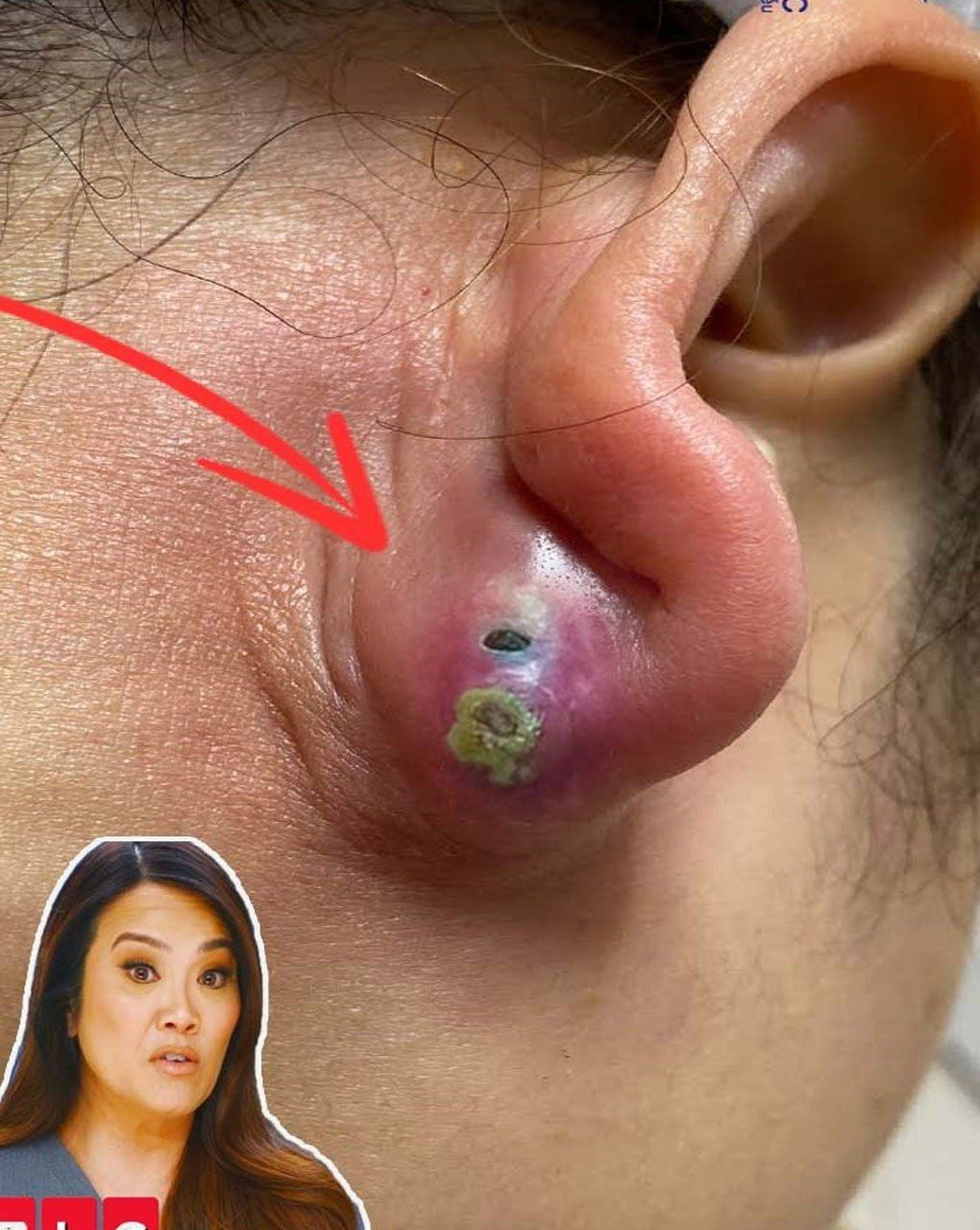
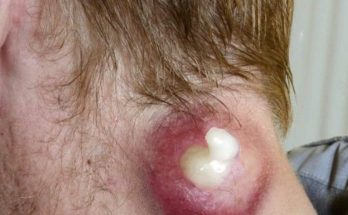
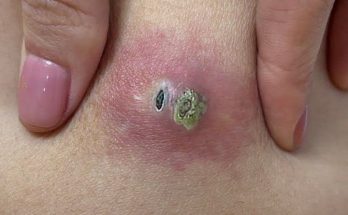
Acne is a skin condition that occurs when your hair follicles become plugged with oil and dead skin cells. It causes whiteheads, blackheads or pimples. Acne is most common among teenagers, though it affects people of all ages. Effective acne treatments are available, but acne can be persistent. The pimples and bumps heal slowly, and when one begins to go away, others seem to crop up. Depending on its severity, acne can cause emotional distress and scar the skin. The earlier you start treatment, the lower your risk of such problems. Acne typically appears on your face, forehead, chest, upper back and shoulders because these areas of skin have the most oil (sebaceous) glands. Hair follicles are connected to oil glands. The follicle wall may bulge and produce a whitehead. Or the plug may be open to the surface and darken, causing a blackhead. A blackhead may look like dirt stuck in pores. But actually the pore is congested with bacteria and oil, which turns brown when it’s exposed to the air.Pimples are raised red spots with a white center that develop when blocked hair follicles become inflamed or infected with bacteria. Blockages and inflammation deep inside hair follicles produce cyst like lumps beneath the surface of your skin. Other pores in your skin, which are the openings of the sweat glands, aren’t usually involved in acne.Acne is caused by a combination of factors. Sebaceous (oil-producing) glands are tiny glands found near the surface of the skin and are affected by our hormones. In acne, the glands are particularly sensitive, even when these hormones are at normal levels.This causes the glands to produce too much oil (sebum). At the same time, the lining of the pores (the small holes in the skin’s surface) becomes thickened and dead skin cells build up and block the pores. The mixture of the oil and dead skin cells plugging the pores produces blackheads and whiteheads.Harmless bacteria that live on everyone’s skin, usually cause no problems. However, in acne, the build-up of oil creates an ideal environment for the bacteria to multiply and cause inflammation. This leads to the formation of red, swollen or pus-filled spots. (papules, pustules, nodules or cysts).Sometimes acne can be caused or made worse by excess hormones. This may occur in women in a condition called polycystic ovary syndrome (PCOS). PCOS is a hormonal imbalance that causes irregular periods, unusual hair growth and hair thinning.Acne can also be due to certain hormonal contraceptive preparations or high-dose steroids. Some tablets taken by bodybuilders contain hormones (anabolic steroids) that can trigger acne.Occasionally, other types of medications can make acne worse. If you develop acne or it suddenly gets worse, it would be worth discussing this with your healthcare professional.Oily skin care products, greasy moisturizers and hair products, or contact with oily substances at work, can also cause or worsen acne. Skin picking can also make acne worse and cause scarring.
Happy To Watch Part 76